Mostrando las entradas para la consulta la curandera ordenadas por relevancia. Ordenar por fecha Mostrar todas las entradas

lunes, 5 de agosto de 2013

La Curandera & El Niágara en bicicleta

La Curandera por Carmen Lomas Garza

La Curandera por Elastic Bond

I recently came across the song "La curandera" by Elastic Bond (link Zambombazo wksht and other resourcest) while listening to Betsy and Zachary Jones' LAMC 2013 Artists' Choice Podcast (29:38). It is an excellent song that expresses some great cultural practices and perspectives related to health, so I decided to use it in a unit called Perspectivas de la salud (website with authentic resources linked at bottom and UbD outline with assessment descriptions). 

The essential questions for the unit are the following:
  • ¿Cómo es el sistema de salud en la República Dominicana y en otros países lationamericanos?
  • ¿Cuáles son algunas prácticas medicinales alternativas y cuáles son las raíces de estas tradiciones?
  • ¿Cuáles son las persectivas culturales sobre los sistemas y las prácticas de la salud en estas tres canciones: El Niágara en bicicleta, Yerbatero and La curandera?
  • ¿Cómo comparan y contrastan las prácticas y perspectivas expresadas en las canciones con las tuyas?
I created a short worksheet with questions about "La Curandera" and hope to create a cloze worksheet once I find the lyrics (or the time to transcribe them). La curandera has a lot in common with Yerbatero by Juanes. And both will contrast very well with El Niágara en bicicleta, which led me to the next update to the unit. El Niágara en bicicleta is the first song that I use in the unit. It illustrates the deficiencies of the health care system in the Dominican Republic (with some obvious exaggerations). It also leads students to understand why alternative medicine might be a reasonable solution for many people who live in a place where the health care system is not very good and/or available to all.


The song has always been difficult for students to interpret and understand. So when I read a post called "Authentic Resources + Embedded Reading" on  Crystal Barragán's (@srtabarragan) excellent blog, I decided that creating an embedded reading for this song would be the perfect way to get students to understand the song. Crystal also shares a variety of activities that can be done with each version. This is my first attempt at creating an embedded reading, but I think it will make the interpretation of the song much easier for my students.

I have never used embedded readings before, but I am excited about this idea because I think my students will be able to understand and interpret songs in a much better way and with much more confidence! I look forward to creating more embedded readings for other songs this year.

How about you? Have you used embedded readings? Any suggestions?

**Also, if you use the song Azul by Natalia Lafourcade, she talks about the song starting at 9:38 on the LAMC 2013 Artists' Choice Podcast. I use that song in the first unit my Cultura y Civilización class. The unit is called "Los miedos" and it is the perfect way to start the class.**


lunes, 4 de marzo de 2019

Los 3 Ps relacionados con la salud: a Task and a Song/Story


I have used the song "La Curandera" by Elastic Bond many times. Students usually like it and there are a lot of health related cultural products, practices, and perspectives in the song, so it can lead to students doing una comparación cultural as an evaluación. If you have AP at your school, this is a good one to do in level 3!

I am using "La Curandera" again to start my health unit in Spanish 3, but this time I have a story to go along with thanks to Mike Farkas, who shared a story to go along with the song. Then, I took what he gave me and together, we came up with this slideshow. He also made this activity for the story.

However, before we get into the story, to start the unit, we are going to start with this BVP-style Task (see theses posts to learn more about what I am referring to) to talk about our cultural products, practices and perspectives related to health.


Then, I am going to tell the story and then have students read and illustrate. I want them to just listen and see images first. You will see that they text fades in on the click, so I can just tell them, but then use the text if I want to. After that, they will work with the text and do some of these activities.


Students will also learn about dengue with some infografías and a PSA. Click here to find those free resources.

jueves, 12 de octubre de 2017

(Free) resources for "Un Accidente" unit

I am teaching Spanish 3 this year (after not having taught it last year... and having continued to evolve a lot in my CI style of teaching). In my department we are still tied to Realidades, so I am trying to use more CI and compelling resources (Sr. Wooly nuggets and other things instead of the textbook!) and make real world connections with all the things that we do in there! 

The current unit is "Un Accidente,"which I actually find to be a very useful unit! I really realized that when I had to go to a clinic and a hospital with a student in Costa Rica and he was able to communicate about what happened to him!

 I thought I would share in case anyone can use some of the resources for a health related unit. This is a work in progress and definitely still a hybrid/bridge unit!! 

These are the "Essential Questions"
  • How do I explain what happened if someone (including myself) has an accident and/or needs medical assistance?
  • What are some cultural products, practices, perspectives in the song “La Curandera”?
  • What are some common illnesses that people have to be aware of in Latin America? 

And these are the "I can" statements:
  • Listen to and understand a story, “Ya está muerto,” about a time when someone was in the hospital. 
  • Explain what happened in the story,  “Ya está muerto”.
  • Describe what happened if someone (including myself) has an accident and/or needs medical assistance.
  • Interpret and explain information about a common illness in some parts of Latin America from infografías and PSA. 
  • Compare and contrast the cultural products, practices, and perspectives in the song “La Curandera” with my own cultural products, practices, and perspectives.
  • Use the preterite, imperfect, reflexives verbs, and indirect object pronouns with more accuracy.

Resources (free):
I am sharing all of this for FREEbut if you think this (or anything else that you got here for free) is useful and has saved you some time, feel free to give back here in Radiohead style (click here to see what I mean by Radiohead style). 

jueves, 2 de marzo de 2017

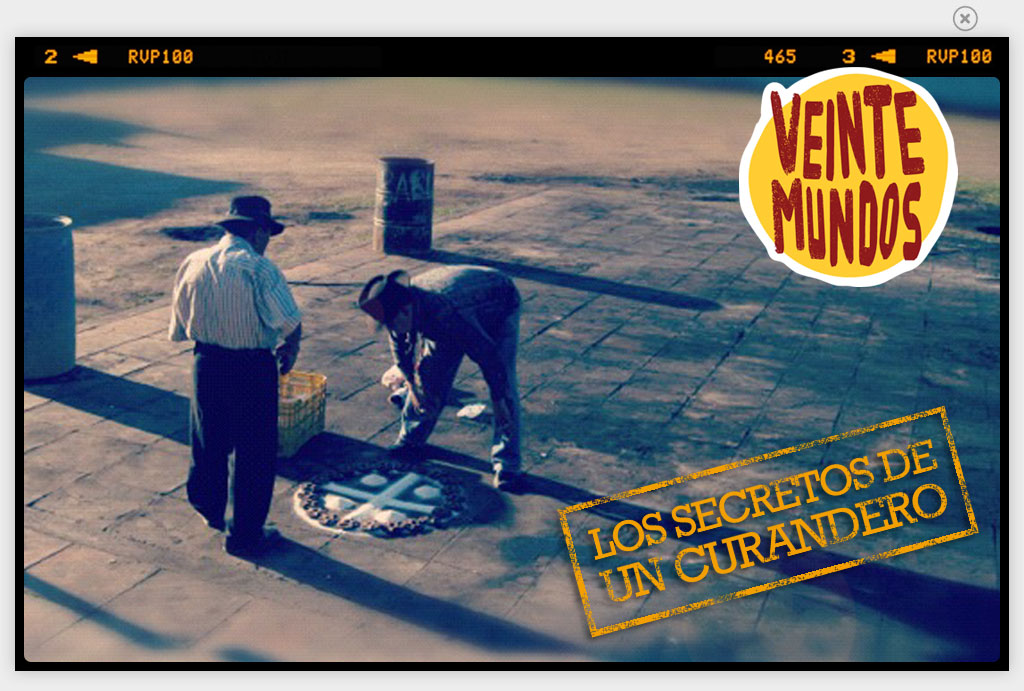
Los Secretos de un Curandero

Artículo de VeinteMundos
As I have mentioned before, I love the articles on VeinteMundos! They cover such a wide variety of cultural products, practices, and perspectives from different countries.

In my AP class, we are about to start our unit called "El cuidado de la salud y la medicina," so I have created this cloze and comprehension guide (feel free to make a copy and make changes) to go along with the article/audio "Los Secretos de un Curandero" from VeinteMundos. Previously, I had students read the article and answer questions, but now they will have to listen, read along, and answer questions. I like this article because it shows lots of cultural products, practices, and perspectives that students may not be familiar with. It will be interesting to see the comparisons that they make.

The song of the week will be "La Curandera" by Elastic Bond (and here is a quick little slideshow to illustrate some of the vocabulary in the song). 


In addition to using two articles from VeinteMundos (el cuy and los curanderos) as resources for specific units in my AP class, every other week my students have to read/listen to an article of their choice from that site, fill in this form (created by Ann Mar), and give a two minute cultural comparison. This is to prepare them for the cultural comparison part of the AP exam. They are doing an excellent job comparing and contrasting the cultural topics with aspects of their own culture.